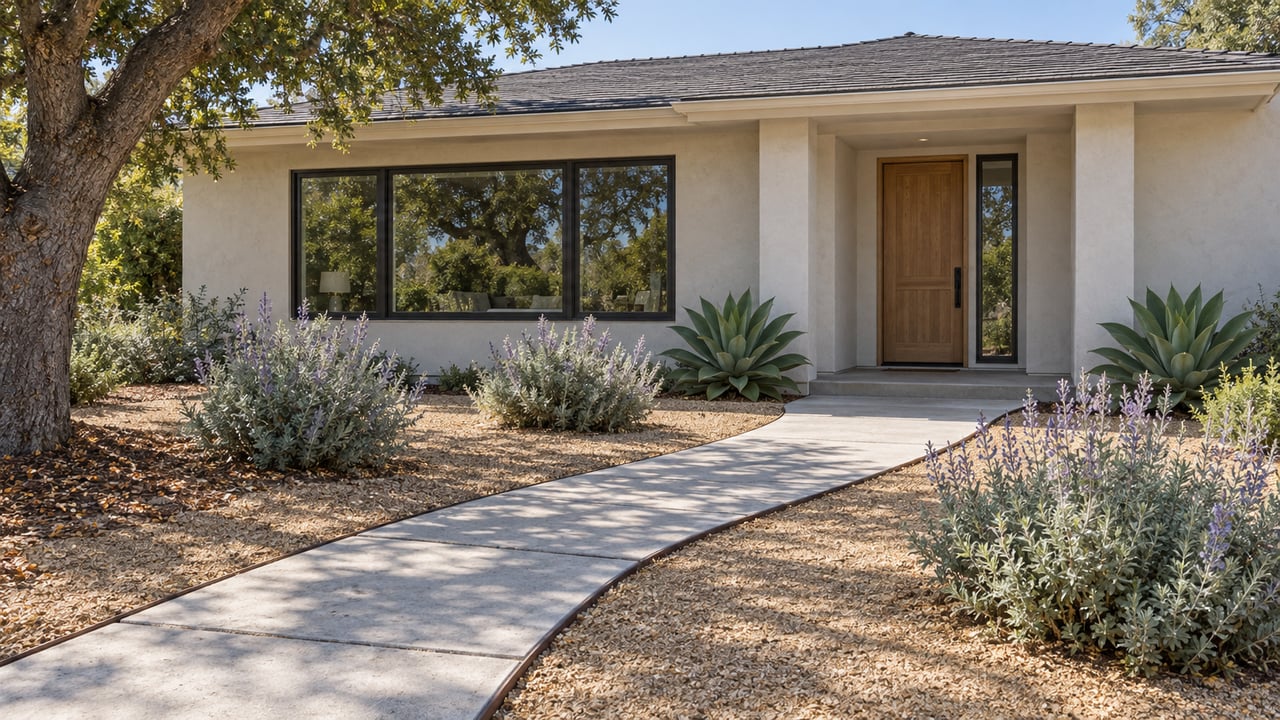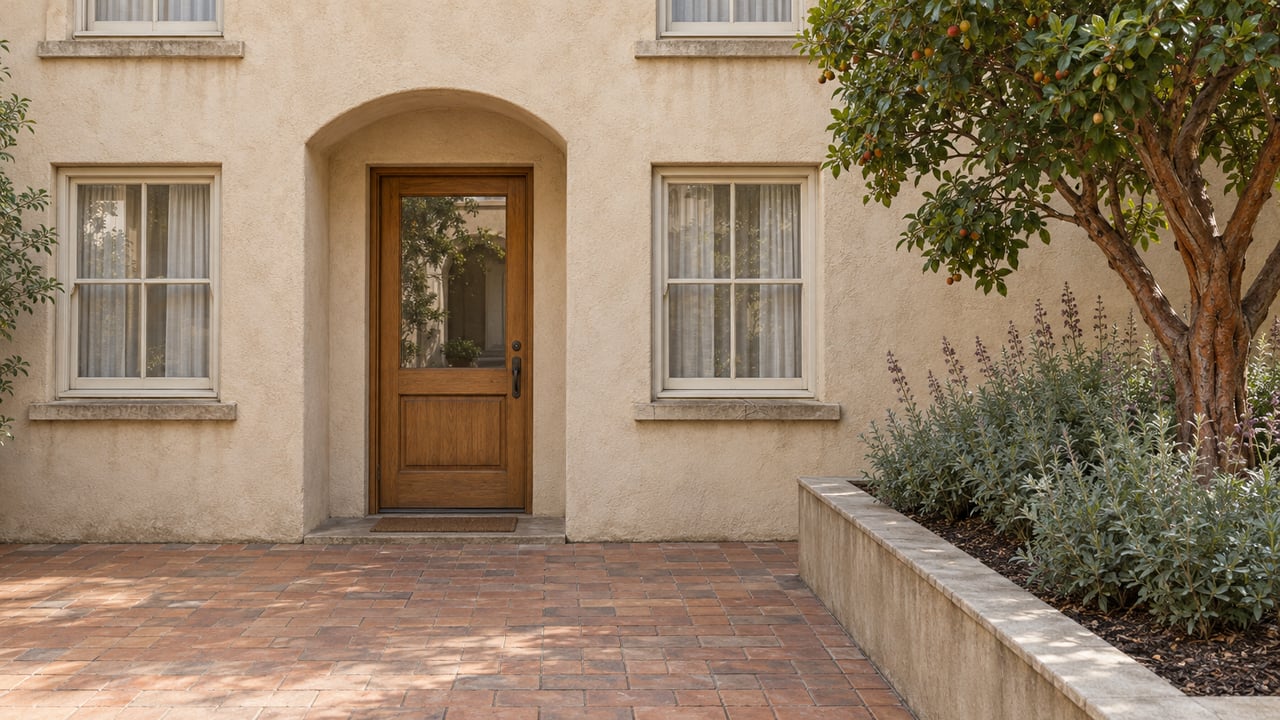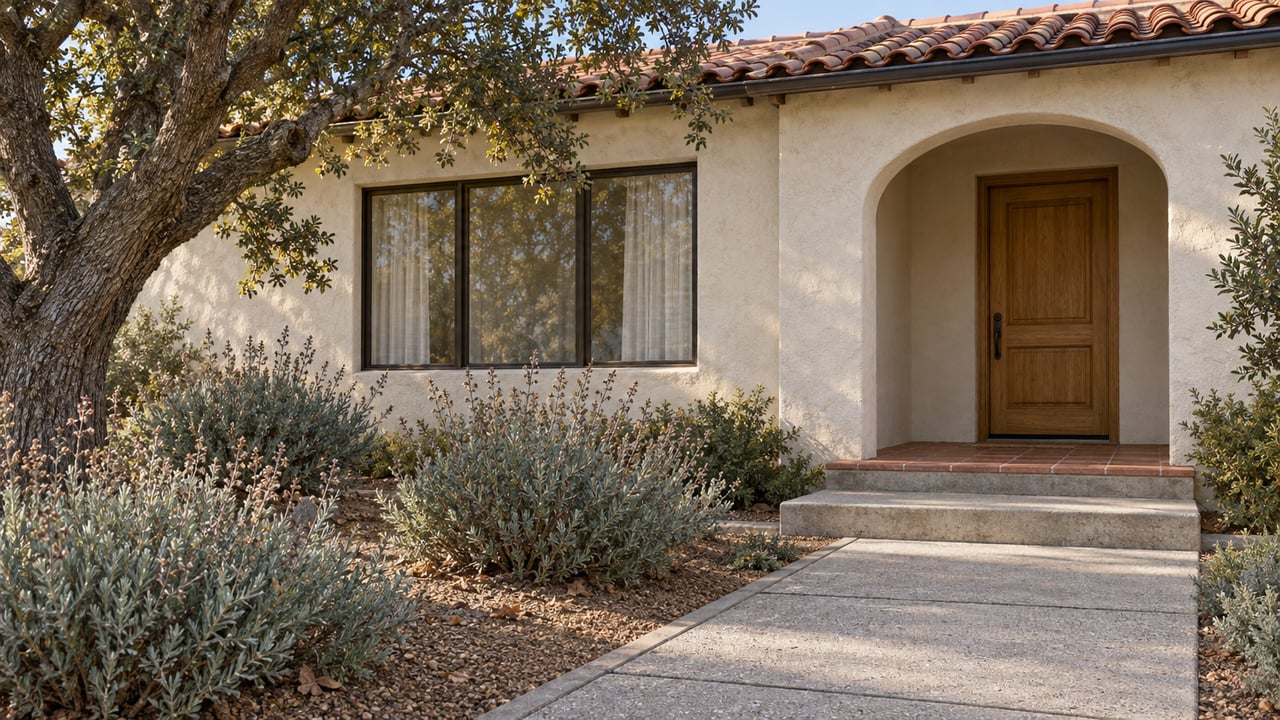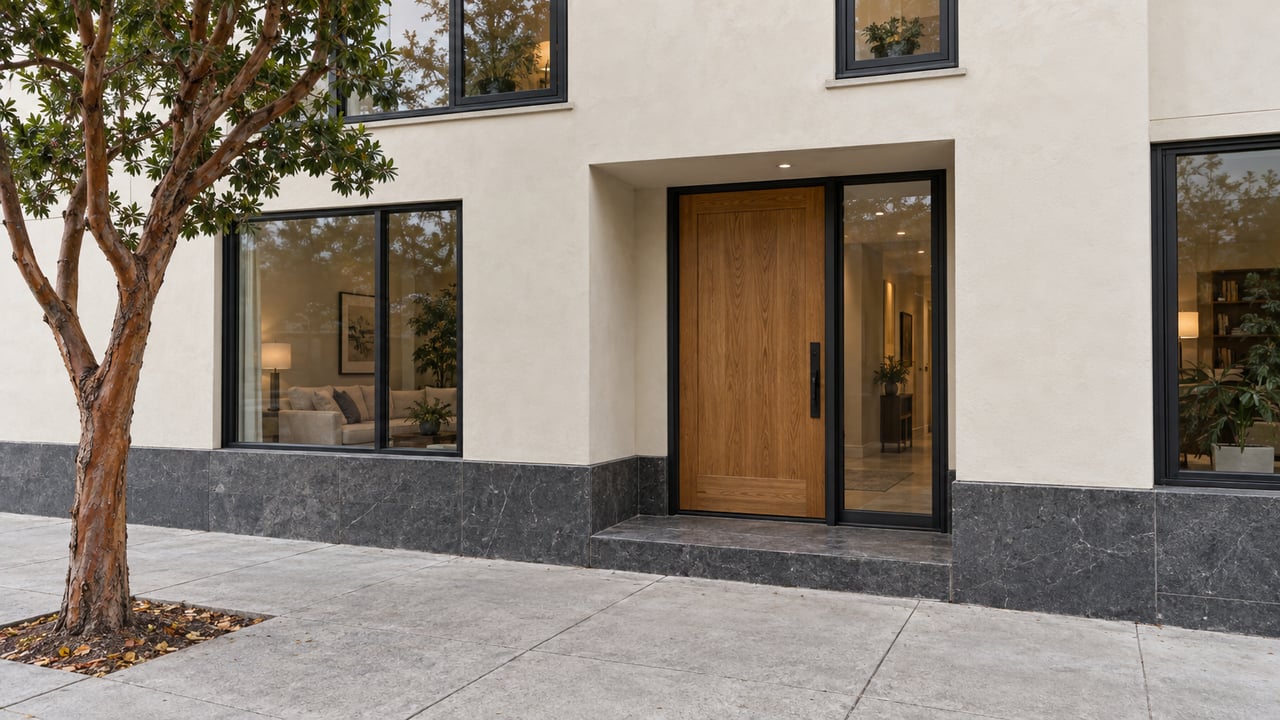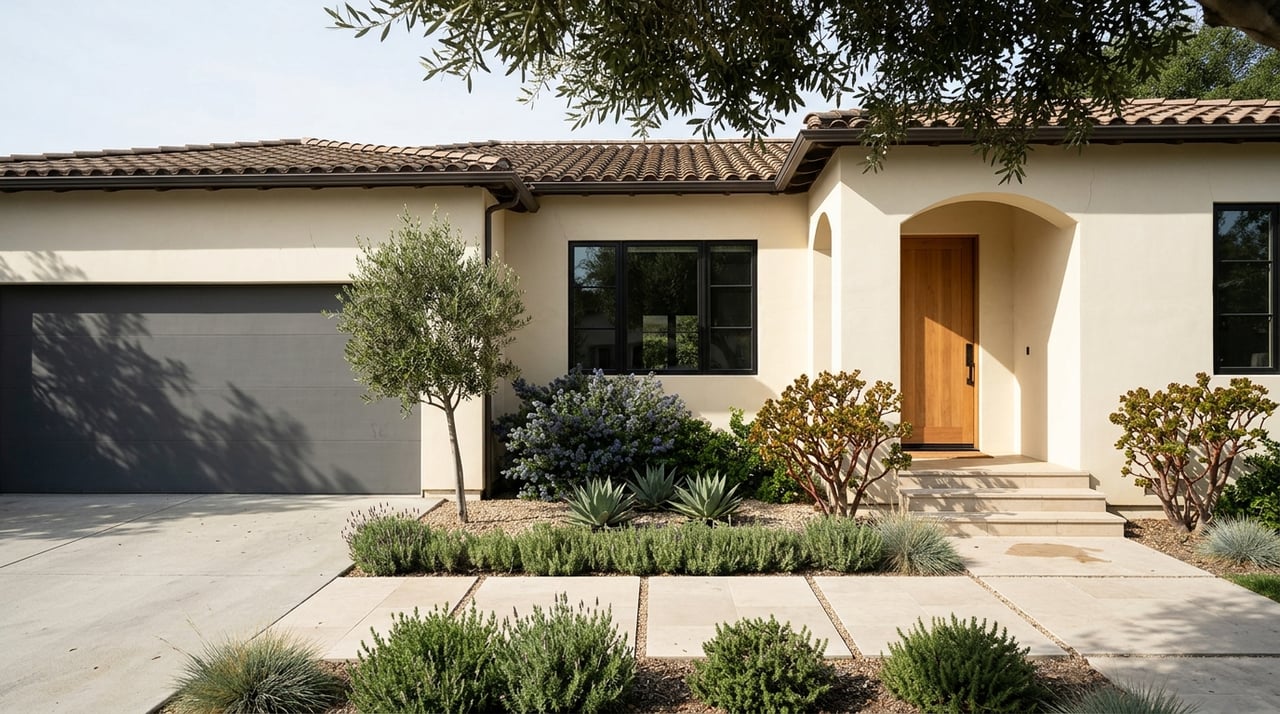
If you want a Los Angeles area community that feels residential, established, and close to the mountains, La Crescenta stands out fast. Many buyers are drawn to the foothill setting but still want a practical sense of what daily life looks like and what kinds of homes they may actually find. This guide will help you understand La Crescenta’s setting, housing patterns, and the home styles that give the area its character. Let’s dive in.
La Crescenta at a Glance
La Crescenta is generally treated by Los Angeles County and Census materials as part of La Crescenta-Montrose, an unincorporated foothill community in northwest Los Angeles County. La Crescenta sits north of the 210 Freeway, while Montrose lies to the south. The area is next to Glendale and La Cañada Flintridge, with the San Gabriel Mountains and Angeles National Forest along its northern edge.
That location shapes much of the community’s appeal. You get a foothill backdrop, nearby commercial corridors, and access to open space, all within a broader Los Angeles County setting. In the 2020 Census, La Crescenta-Montrose counted 19,997 residents.
What Everyday Life Feels Like
La Crescenta has a distinctly neighborhood-scale feel. County planning reports that more than 82 percent of the land area is single-family residential, with only about 2 percent commercial and 9 percent government land use. In practical terms, that points to a low-intensity residential environment rather than a heavily built-up urban one.
Daily routines tend to center around a few main corridors and local amenities. County planners identify Foothill Boulevard and Honolulu Boulevard as the primary commercial corridors, and they note access to parks, open space, schools, and grocery stores. That combination can make the area feel convenient without losing its residential identity.
Commute patterns are also useful to understand if you are planning a move here. Census data show a mean travel time to work of 29.2 minutes, and most workers drive alone. Public transit use and biking or walking to work account for only a small share of commuting, so the area reads as car-oriented.
Why the Foothill Setting Matters
In La Crescenta, the mountain edge is not just scenery. It plays a real role in how the community feels from block to block. The northern edge of the area meets the San Gabriel Mountains and Angeles National Forest, which gives many parts of the community a strong connection to nature.
Open-space access is a major part of local life. Rosemont Preserve includes 7.6 acres of protected wilderness land, while Deukmejian Wilderness Park spans 709 acres with hiking trails and views over the Crescenta Valley and Los Angeles basin. For many buyers, that outdoor access is a big part of the long-term appeal.
La Crescenta Housing Stock: Older and Established
If you are comparing La Crescenta with communities that have seen major recent development, one thing becomes clear quickly: the housing stock here is older and more established. County planning data show 7,375 housing units, with 76.5 percent single-family and 22.2 percent multifamily. They also report that 83 percent of homes were built before 1979, with less than 1 percent built since 2010.
That age profile matters because it often translates to more architectural variety and fewer large pockets of brand-new construction. It can also mean that buyers should expect homes with different levels of updating, maintenance history, and original detail. In a market like this, understanding the difference between cosmetic updates and deeper infrastructure needs becomes especially important.
Ownership patterns also suggest a stable community. Census data show a 59.2 percent owner-occupied rate and a median owner-occupied home value of $1,207,100. That points to a market shaped more by long-term ownership than by constant turnover.
Common Home Styles in La Crescenta
One of the most appealing parts of La Crescenta is that the housing does not feel one-note. County cultural-assets materials identify a range of common residential styles, including Spanish Colonial Revival, Craftsman, Minimal Traditional, Traditional Ranch, Storybook Ranch, and Colonial Revival. You may also find a notable number of homes with rock-house elements or river-rock details.
Here is what that can mean when you are touring homes:
Spanish Colonial Revival
These homes often stand out for their stucco exteriors, arches, and a warm Southern California look. In a foothill setting, that style can feel especially at home. Buyers who like character often pay attention to original detailing and how well later updates fit the home’s architecture.
Craftsman
Craftsman homes tend to appeal to buyers who want classic proportions and visible architectural detail. In older communities, they can offer a strong sense of identity and period charm. Condition and quality of preservation often vary from property to property.
Minimal Traditional and Colonial Revival
These styles can offer simpler lines and a more understated look than some earlier revival homes. They are often a fit for buyers who want an established property with traditional curb appeal. Because many homes are older, layout and renovation history can differ quite a bit.
Traditional Ranch and Storybook Ranch
Ranch-style homes are a meaningful part of the area’s housing mix. Some lean practical and straightforward, while Storybook Ranch homes can have more whimsical or distinctive exterior details. For buyers who want easier indoor-outdoor flow, ranch homes are often worth a close look.
Multifamily and Bungalow-Court Patterns
County materials also note low-density bungalow-court-style multifamily housing. That adds another layer to the local housing story and helps explain why some pockets feel different from others. If you are considering a multifamily or income property, that variety can be part of the opportunity.
How Streets and Lots Can Change by Area
La Crescenta is not uniform, and that is one of the most important things to understand before you buy or sell here. County planning says the street grid runs parallel to the 210 Freeway, with long blocks in some areas. Later residential development moved to higher elevations, where streets became more curvilinear and parcels larger.
That means lot character can shift noticeably from one pocket to the next. Some areas may feel flatter and more grid-based, while others feel more winding and hillside-oriented. For buyers, that can affect parking, yard use, privacy, and how the home sits on the lot.
Historic context materials also note that many homes on the western side of the community were built into the hill. That can create a very different experience from homes on flatter streets. If you are comparing properties, it helps to think beyond square footage and consider how the topography affects everyday use of the home.
What to Notice When Touring Homes
Because La Crescenta’s housing stock is older and the topography varies, two homes with similar list prices can live very differently. A careful tour should look beyond style alone. You want to understand how the house, lot, and setting work together.
A few things to watch for include:
- The home’s architectural style and whether updates match its original character
- Lot shape, slope, and usable outdoor space
- Street pattern and how the home sits within the block
- Evidence of long-term upkeep versus quick cosmetic improvement
- The surrounding mix of single-family and multifamily properties
- Proximity to Foothill Boulevard, open space, and freeway access
For sellers, these same factors shape how a property should be positioned in the market. In a community with varied architecture and topography, the strongest marketing usually highlights not just the house itself but also the kind of foothill lifestyle it offers.
Why La Crescenta Appeals to Long-Term Owners
The data suggest La Crescenta tends to attract people looking for staying power. The owner-occupied share, older housing stock, and limited recent construction all support that picture. This is not a place defined by constant reinvention.
Instead, the appeal often comes from a mix of established homes, foothill scenery, residential streets, and nearby outdoor access. For buyers thinking about long-term fit, that can be a meaningful advantage. For sellers, it can mean your likely audience is not only comparing finishes but also weighing neighborhood feel and future livability.
Planning Your Move in La Crescenta
Whether you are buying your first foothill home, moving up, downsizing, or preparing to sell a long-held property, La Crescenta rewards a thoughtful approach. The area’s value is not just in one feature. It is in the combination of setting, housing character, lot variation, and long-term stability.
That is why local planning matters here. A Spanish Colonial Revival on a flatter residential street may appeal to a different buyer than a hillside ranch with larger outdoor space, even if both are in the same broader community. Understanding those differences can help you make a more confident decision and protect long-range value.
If you are thinking about buying or selling in La Crescenta, working with an advisor who understands both the neighborhood details and the bigger financial picture can make the process much clearer. When you are ready to talk through your next move, connect with Marcellina Desousa for strategic, personalized guidance.
FAQs
What is La Crescenta known for as a place to live?
- La Crescenta is known for its foothill setting, mostly residential land use, older housing stock, and close access to open space, including Rosemont Preserve and Deukmejian Wilderness Park.
What kinds of homes are common in La Crescenta?
- Common home styles identified by county materials include Spanish Colonial Revival, Craftsman, Minimal Traditional, Traditional Ranch, Storybook Ranch, Colonial Revival, and some homes with rock or river-rock details.
Are most homes in La Crescenta newer or older?
- Most homes are older. County planning reports that 83 percent of housing units were built before 1979, and less than 1 percent were built since 2010.
Is La Crescenta mostly single-family housing?
- Yes. County planning data show that 76.5 percent of housing units are single-family, and more than 82 percent of the land area is designated single-family residential.
How does the landscape affect homes in La Crescenta?
- The topography creates variety in streets and lots. Some areas have long, flatter blocks, while higher-elevation areas have more curving streets, larger parcels, and hillside homes that can feel very different from one another.