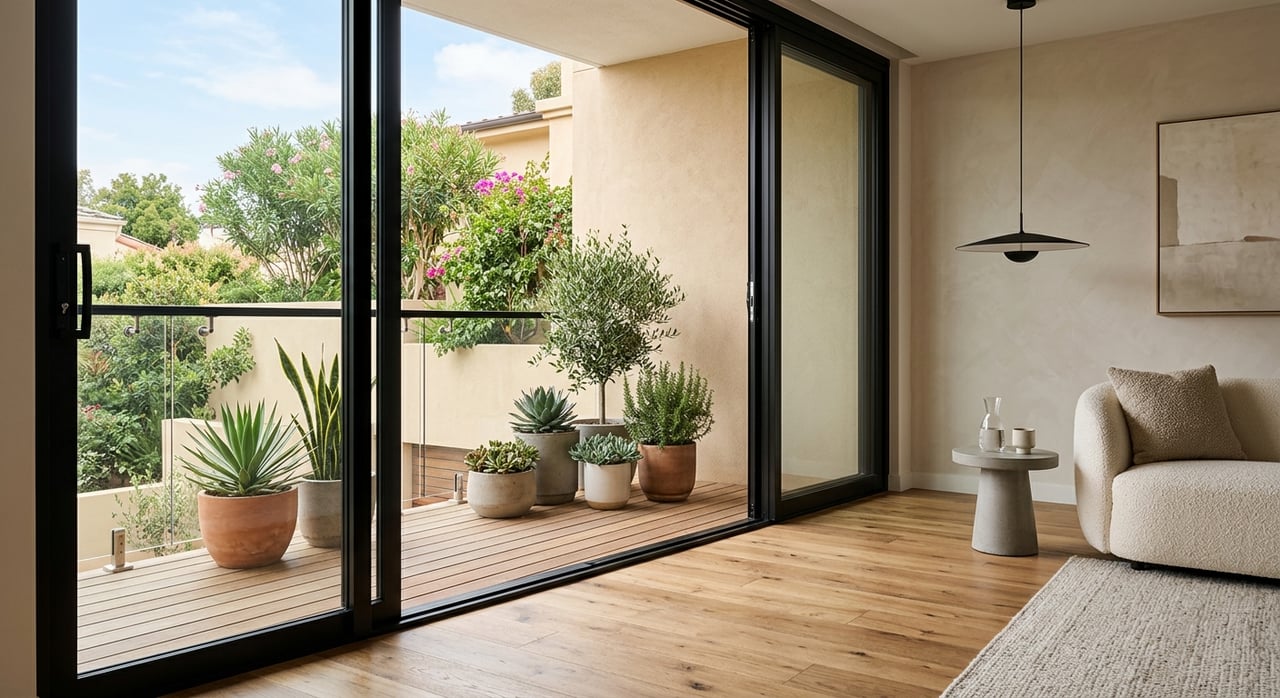
Hot summers can turn a beautiful condo into an expensive one. If you are buying in Studio City, energy efficiency is not just a nice bonus. It can affect your monthly costs, day-to-day comfort, and even what changes you are allowed to make after closing. This guide will help you look past the listing photos, ask smarter questions, and evaluate an energy-efficient condo with more confidence. Let’s dive in.
Why energy efficiency matters in Studio City
Studio City’s 91604 ZIP code falls in California Energy Commission climate zone 9. In practical terms, that means cooling performance deserves close attention when you compare condos.
For you as a buyer, that often puts the focus on windows, shading, insulation, air sealing, and HVAC performance. Two units in the same area can feel very different if one has better glazing, tighter weatherization, or a more efficient cooling system.
Start with the building, not just the unit
One of the biggest condo mistakes is judging efficiency only by what you can see inside the unit. In a condo, ownership and maintenance responsibilities can be shared, and some features that look unit-specific may actually fall under HOA rules or common-area control.
In California common interest developments, a condo is a legal ownership form. The California Department of Real Estate notes that windows, shutters, awnings, doors, and balconies can be treated as exclusive-use common area. That means an exterior-facing efficiency upgrade may require HOA approval, even if it serves only your unit.
Why HOA control affects energy upgrades
If you plan to improve comfort after closing, you will want to know what is truly under your control. A newer sliding door, better windows, exterior shading elements, or even some balcony-related improvements may involve HOA rules, architectural standards, or maintenance obligations.
That is why a condo purchase should include both unit-level review and building-level review. A well-run HOA can support efficiency and maintenance. A poorly funded one can create delays, surprise costs, and deferred repairs that affect comfort and operating expenses.
Focus on the features that move the needle
When you tour condos in Studio City, it helps to know which features matter most in a warm-climate setting. Here are the areas worth extra attention.
Insulation and air sealing
The U.S. Department of Energy says insulation can lower heating and cooling costs and improve comfort, especially when the home is also air sealed. In condo living, this can matter a lot if your unit sits above a garage, beside a breezeway, or below an unconditioned attic or roof area.
Ask whether the unit has known drafts, hot spots, or rooms that struggle to stay comfortable. Pay attention to ceilings, exterior walls, and floors over unconditioned spaces, since those areas often affect indoor temperature and energy use.
Windows, doors, and solar heat gain
Windows are one of the biggest energy leak points in any home. DOE says heat gain and heat loss through windows account for about 25% to 30% of residential heating and cooling energy use.
In a place like Studio City, lower solar heat gain can be especially helpful. If window specs are available, ask about the solar heat gain coefficient, or SHGC, along with U-factor, NFRC labels, and whether the windows were properly installed or recently sealed.
Shading and orientation
Not every efficiency clue is printed on a spec sheet. A west-facing unit with large unshaded glass may run hotter in the afternoon than a similar unit with better orientation or exterior shading.
As you tour, notice how much direct sun hits the unit and when. Good shading, thoughtful glazing, and weatherization can make a meaningful difference in comfort during warmer months.
HVAC and heat pumps
The HVAC system deserves more than a quick glance at the thermostat. DOE notes that heat pumps are efficient heating and cooling systems for all climates, and ductless air-source heat pumps can work well where there is no ductwork.
For condo buyers, the age, condition, maintenance history, and ownership of the system all matter. An efficient system on paper may still underperform if the unit has air leakage or poor weatherization, especially in an older building.
Ask better condo-buying questions
A strong condo purchase is often the result of strong due diligence. Energy efficiency is not just about features. It is also about building policies, reserve health, and whether future improvements are realistic.
Questions to ask the HOA
Use your review period to get clear answers on the building side:
- Ask for the current budget, reserve study, annual report, and recent meeting minutes.
- Ask whether windows, doors, balconies, shutters, awnings, and similar exterior components are owner-controlled, HOA-maintained, or exclusive-use common area.
- Ask whether there are any pending or likely special assessments.
- Ask whether the association has written procedures or existing plans for solar, EV charging, or dedicated EV meters.
The California Department of Real Estate says HOA budgets should include reserve information, remaining useful life of major common-area facilities, and the board’s repair-or-replace method. DRE also warns that underfunded HOAs can lead to deferred maintenance and special assessments.
Questions to ask the inspector
A condo inspection can help you understand what is behind the walls and beyond the staging. Ask targeted questions such as:
- What is the age and condition of the HVAC system?
- Is the system ducted or ductless, and has it been maintained recently?
- Are there signs of air leakage, poor insulation, or uneven temperatures?
- Are there concerns around ceilings, exterior walls, or floors above garages or breezeways?
- Are window labels, specs, or signs of sealing work visible?
DOE recommends a home energy assessment as a first step before major energy-saving improvements. Even if you do not schedule a full assessment before closing, thinking this way can help you evaluate the condo more strategically.
Watch for reserve health and hidden cost risk
A condo can look updated inside while the building itself tells a different story. Roof condition, exterior paint, common-area systems, and window responsibilities can all shape future costs.
DRE guidance and consumer alerts make this especially important. If the HOA is underfunded, deferred maintenance can build up and lead to special assessments or ongoing building issues. For you, that means an energy-efficient interior may not be enough if the larger property is not being maintained well.
Why reserves matter for efficiency
Reserve strength is not just a bookkeeping issue. It can affect whether the building can maintain roofs, exterior components, and other common elements that support comfort and energy performance.
If a building has aging windows, roof issues, or poor exterior maintenance, your cooling costs and comfort may suffer even if your unit has some upgrades. Healthy reserves can be a practical sign that the community is planning ahead rather than reacting late.
Consider future-ready upgrades
For many buyers, the right condo is not just efficient today. It is also flexible for tomorrow. In Studio City, two areas stand out: solar and EV charging.
Solar in a condo setting
California law gives owners meaningful solar rights, but condo and HOA settings still require process and coordination. Civil Code Section 714 limits HOA rules that effectively prohibit or unreasonably restrict solar installation, while still allowing reasonable restrictions.
For shared multifamily roofs and common areas, there can be added notice, insurance, maintenance, and site-survey requirements. If building-level solar matters to you, ask what the HOA already allows, whether procedures are in place, and whether the project has explored common-area or shared options.
LADWP also states that its Shared Solar program is designed for residents in multifamily housing, including condominiums. That makes building-level solar planning especially relevant when you compare long-term operating costs.
EV charging readiness
If you drive an electric vehicle now, or think you might later, parking setup matters. California Civil Code Section 4745 limits HOA restrictions on EV charging stations in an owner’s unit or designated parking space and requires written approval or denial.
The law also places several responsibilities on the owner, including installation, electricity use, maintenance, restoration, and liability insurance for the charger. LADWP currently advertises a Residential EV Charger Rebate Program for eligible customers and notes an EV rate discount for customers with an EV charger on a dedicated EV meter.
For a buyer, the practical question is simple: is the building ready for this, or will every step be an uphill battle?
Compare Studio City condos the smart way
In nearby Valley neighborhoods, ZIP code alone does not tell the whole story. For Studio City buyers, the biggest differences often come down to building-specific factors rather than location alone.
When comparing two condos, look closely at these three areas:
- Envelope quality, including windows, insulation, air sealing, and shading
- HOA reserve health and maintenance planning
- Readiness for future upgrades like solar or EV charging
That kind of comparison can give you a more realistic picture of ownership costs than finishes or staging alone. It also fits a smarter long-term buying strategy, especially if you want a home that supports both comfort and financial planning.
A practical checklist before you buy
If you want a simple way to stay organized, use this checklist as you evaluate a Studio City condo:
- Review the HOA budget, reserve study, annual report, and meeting minutes
- Confirm who controls and maintains windows, doors, balconies, and exterior-facing features
- Ask about pending special assessments or major repair needs
- Check the age and maintenance history of the HVAC system
- Ask whether the unit has ductwork or a ductless system
- Look for signs of drafts, uneven temperatures, or heat gain
- Request window performance details if available, including NFRC labels, SHGC, and U-factor
- Ask whether the building has solar policies, EV charging procedures, or dedicated EV meter options
A condo that checks most of these boxes may offer more than lower utility bills. It may also give you fewer surprises, better comfort, and stronger long-term value.
Buying a condo in Studio City is not just about finding the right layout or the nicest finishes. It is about understanding how the unit and the building work together, what the HOA controls, and how today’s efficiency features may shape tomorrow’s costs. If you take a careful, building-aware approach, you can buy with more clarity and fewer blind spots.
If you want help evaluating condos through both a practical and long-term planning lens, Marcellina Desousa can help you make a more informed move.
FAQs
What makes a condo energy efficient in Studio City?
- In Studio City, efficient condos often stand out through better windows, lower solar heat gain, solid insulation, air sealing, effective shading, and a well-maintained HVAC system suited for cooling needs.
What should buyers ask an HOA about condo energy upgrades?
- Ask who controls windows, doors, balconies, awnings, and similar exterior components, and request the budget, reserve study, meeting minutes, and any rules or procedures for solar or EV charging.
Why do HOA reserves matter when buying a Studio City condo?
- Reserve health can signal whether the building is planning for repairs to roofs, exterior elements, and other common components that affect maintenance costs, comfort, and the risk of special assessments.
What window features should buyers look for in a Studio City condo?
- Ask for NFRC labels and window specs such as SHGC and U-factor, since lower solar heat gain can be especially useful in a warm climate where cooling performance matters.
Can condo owners add EV chargers in California HOAs?
- California law limits HOA restrictions on EV chargers in an owner’s unit or designated parking space, but buyers should still confirm the building’s approval process, electrical setup, and any owner responsibilities.
Can solar be installed on a Studio City condo building?
- Solar may be possible, but condo buildings often involve HOA procedures, common-area rules, and shared-roof requirements, so it is important to ask what the association already allows and how approvals are handled.