If you want a neighborhood that feels creative without feeling manufactured, Eagle Rock stands out. Many buyers are looking for more than square footage. You may want a home with character, a daily routine that feels inspiring, and a location that still works for real life. Eagle Rock checks many of those boxes, and that is exactly why it keeps showing up on the radar for design-minded and planning-minded buyers alike. Let’s dive in.
Eagle Rock feels established
One of Eagle Rock’s biggest strengths is that it feels like a real neighborhood with a long-standing identity. Occidental College describes the area as having small-town charm with big-city access, and the City of Los Angeles highlights civic landmarks like City Hall and the Carnegie Library as part of what makes the area feel distinct.
That matters if you want a neighborhood that feels rooted instead of newly packaged. For many creative homebuyers, that sense of continuity is part of the appeal. It can make the move feel less like stepping into a trend and more like joining a place with its own rhythm.
Colorado Boulevard adds local character
Eagle Rock’s main commercial corridor helps shape the neighborhood’s personality. The Colorado Boulevard Specific Plan was created to guide future development so it remains compatible with the surrounding residential community.
In practical terms, that supports a lower-scale streetscape along the corridor. Instead of feeling generic, the area keeps a more neighborhood-sized feel, which is often a big draw if you value local businesses, walkable pockets, and a setting that feels more personal.
A main street that supports daily life
Occidental’s neighborhood description points to artsy coffee shops, classic diners, and a welcoming community vibe. That kind of local mix can make daily life feel more connected and less repetitive.
For buyers who work from home, create from home, or simply want a more inspiring routine, that nearby texture matters. It is easier to imagine settling in when the neighborhood offers places that support both productivity and downtime.
Creative institutions reinforce the vibe
Eagle Rock’s appeal is not just aesthetic. It also has real cultural anchors that support its creative identity.
Center for the Arts Eagle Rock operates from a historic Carnegie library building and serves as a multidisciplinary arts hub for Northeast Los Angeles. Occidental also describes Oxy Arts as a community-based arts hub for film, visual art, performance, writing, and music. In 2023, Vidiots reopened at the historic Eagle Theatre as a nonprofit video store and theater.
These places help explain why Eagle Rock often feels especially attractive to buyers in creative fields or buyers who simply enjoy being near arts and culture. The neighborhood offers more than housing stock. It offers an environment that reflects ongoing cultural activity.
Why that matters to buyers
Creative buyers often look for neighborhoods that support the way they live, think, and work. That does not always mean needing a formal arts district. Sometimes it means wanting nearby spaces, institutions, and routines that make life feel interesting and sustainable over time.
In Eagle Rock, those elements are part of the neighborhood fabric. That can make a home purchase feel like both a lifestyle choice and a long-term planning decision.
The housing stock has real personality
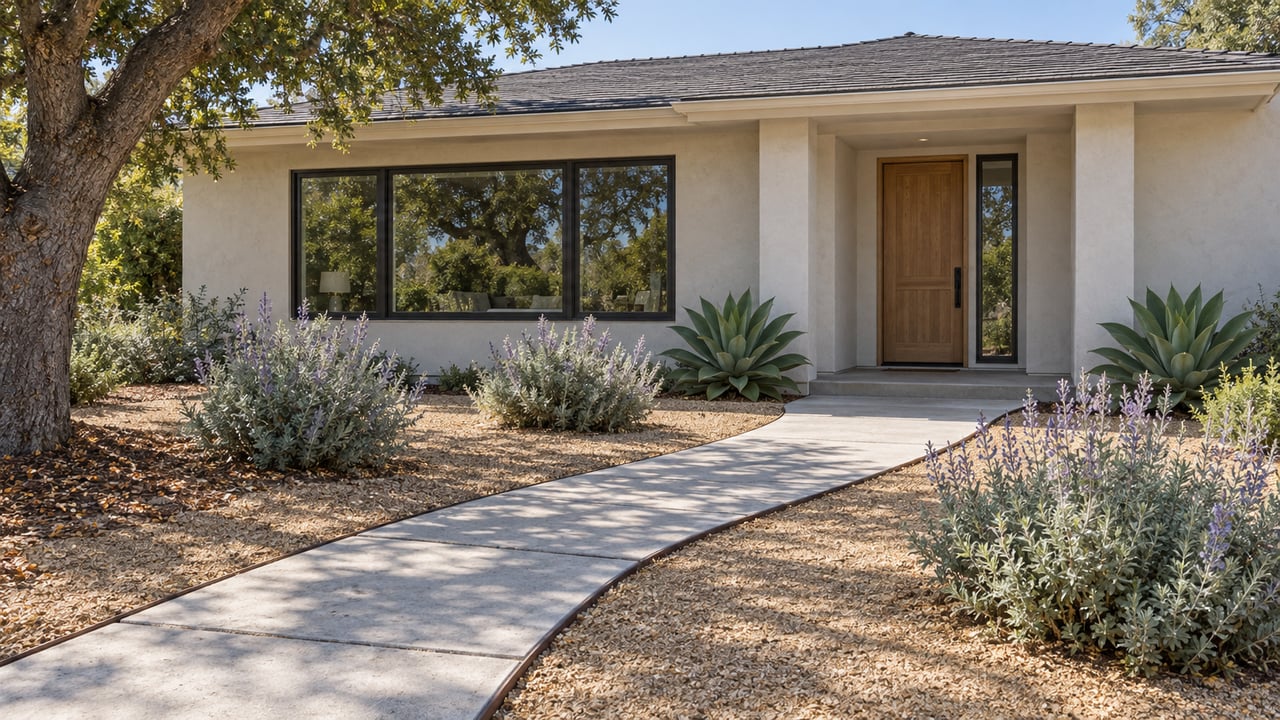
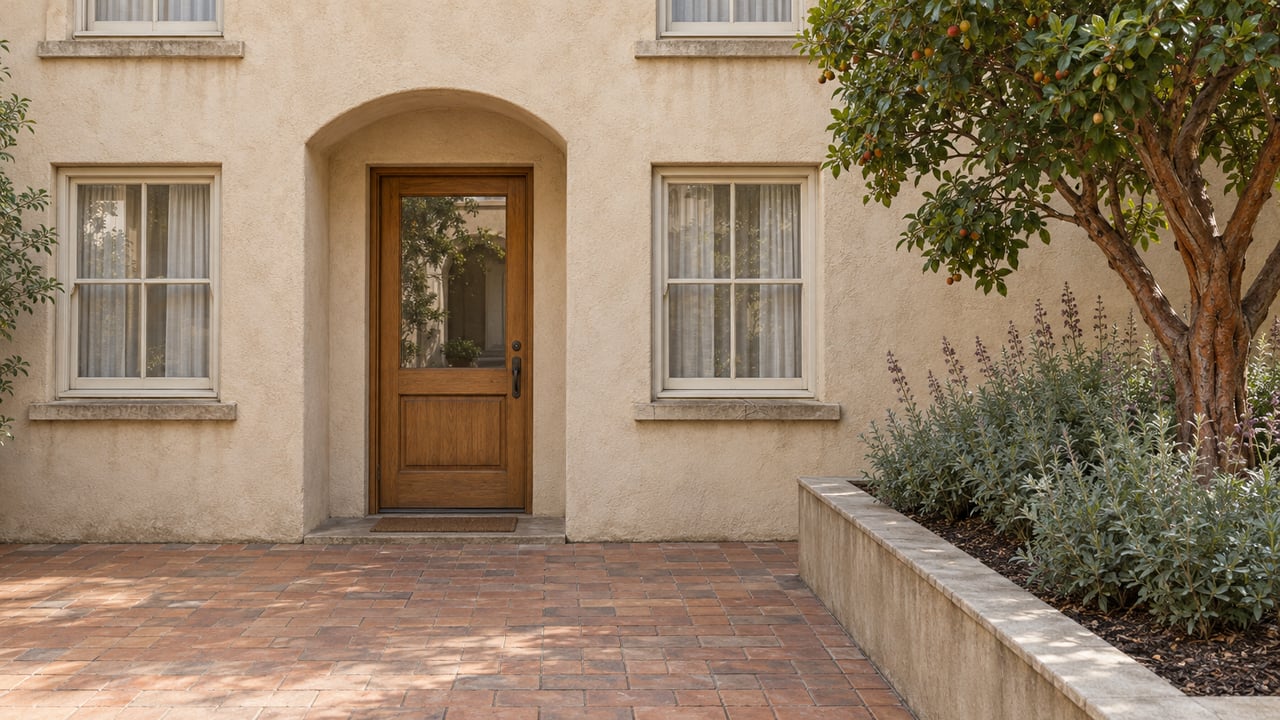
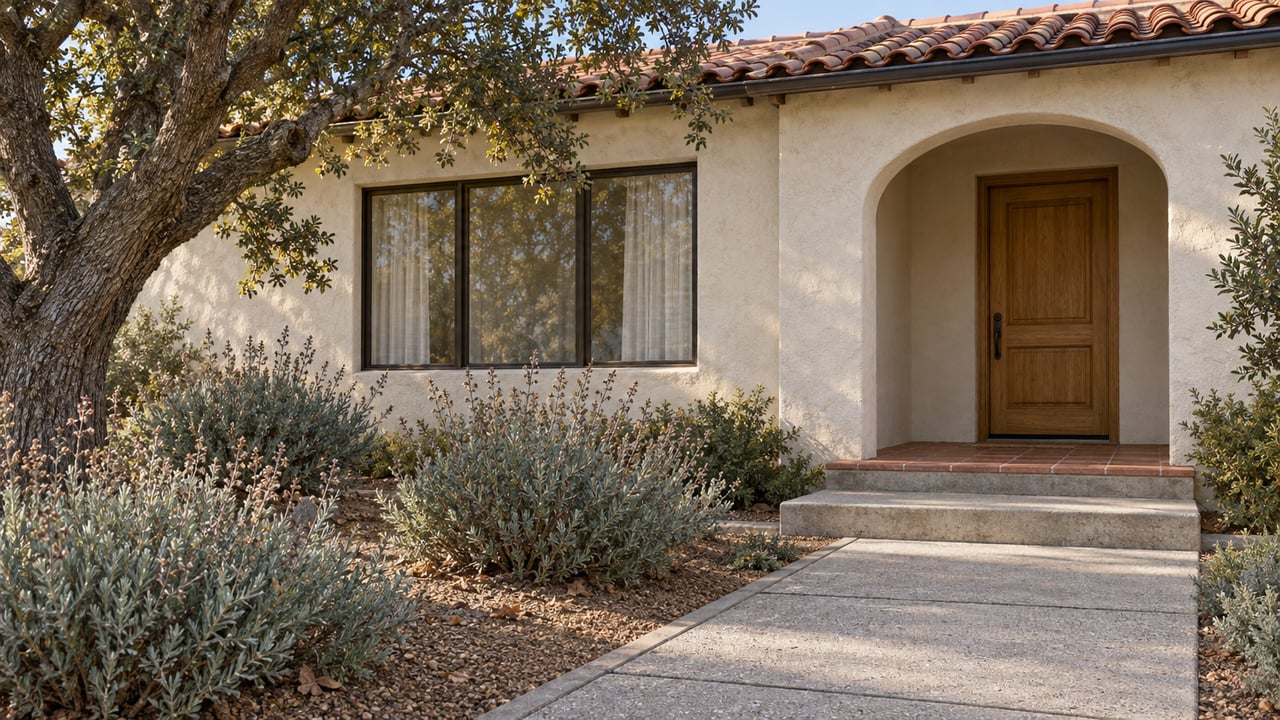
Eagle Rock also appeals to buyers who care about architecture. According to City planning historic context materials, the neighborhood includes higher-elevation Craftsman homes, more modest bungalows in flatter sections, Spanish Colonial Revival infill from the 1920s, and bungalow courts.
That variety gives Eagle Rock more architectural texture than a neighborhood dominated by one housing type. If you appreciate period details, distinct facades, or homes with a sense of history, this range can be a major draw.
Variety creates more options
The key story here is not one “typical” Eagle Rock home. It is the fact that the neighborhood offers several different forms and eras of housing.
For buyers, that can open up more paths. You may be looking for a first home with room to grow, a property with a dedicated office, or a house whose layout could support studio space over time. A mixed housing stock can make that search more flexible.
Character homes can support long-term use
Historic homes and mixed-era properties often appeal to buyers who want more than short-term convenience. They can offer design appeal today while also giving you options for how the home functions later.
That is especially relevant if you are thinking beyond the immediate move. A home that works for your lifestyle now and still supports future needs can be a smart part of a broader real estate plan.
Eagle Rock works for daily living
A neighborhood can be visually appealing and still fall short if daily logistics are hard. Eagle Rock tends to attract buyers because it combines local charm with access to nearby hubs.
Occidental says Eagle Rock sits between Pasadena and Glendale. That location can be useful if your work, family, or social life stretches across Northeast Los Angeles and nearby parts of the San Gabriel Valley.
Access extends beyond the neighborhood
Metro’s current Micro zone includes Highland Park, Eagle Rock, and Glendale. Metro’s NoHo-to-Pasadena bus rapid transit project is also under construction and is intended to connect Eagle Rock with Glendale, Burbank, North Hollywood, and Pasadena in dedicated lanes.
For buyers who split time between home and multiple parts of the region, that kind of access adds practical value. It supports the idea that Eagle Rock is not isolated, even though it keeps a more neighborhood-centered feel.
Walkability is solid, but not car-free
Walk Score rates Eagle Rock at 70 for walkability, 47 for transit, and 46 for bikeability. That suggests some errands and outings can happen on foot, but many residents will still use a car for part of their routine.
That is an important expectation to set early. If you want a neighborhood where local coffee runs and casual errands may be walkable, Eagle Rock can offer that in places. If you want to live fully car-free, it may not match that goal as closely.
The market reflects strong demand
Eagle Rock’s appeal is not a secret, and the market reflects that. Realtor.com’s spring 2026 snapshot shows a median listing price of $1,395,000, with 62 homes for sale and a median of 51 days on market.
For context, the same comparison table shows Highland Park with a median listing price of $1,150,000 and 35 median days on market. The takeaway is not that one area is better than the other. It is that Eagle Rock should be viewed as a desirable, competitive neighborhood rather than an easy-entry or bargain option.
What buyers should take from this
If Eagle Rock is on your shortlist, it helps to approach the search with a clear plan. In a neighborhood where character, location, and community identity all matter, the best-fit properties can attract serious attention.
This is where strategy becomes important. Knowing your priorities, your comfortable budget range, and your long-term ownership goals can help you move with more confidence when the right opportunity appears.
Why creative buyers keep circling back
At its core, Eagle Rock appeals to creative homebuyers because it offers a combination that can be hard to find. You get neighborhood identity, arts-oriented institutions, varied architecture, practical regional access, and a housing stock that often feels more personal than standardized.
Just as important, the area feels durable. The civic landmarks, planning framework, and long-established character all support the sense that Eagle Rock is not trying to become something overnight. It already knows what it is.
For buyers who value design, culture, and long-range livability, that can make Eagle Rock feel like more than a place to buy. It can feel like a place to stay.
If you are weighing Eagle Rock against other Northeast Los Angeles options, a thoughtful comparison can make a big difference. Marcellina Desousa can help you evaluate neighborhood fit, property character, and long-term value so your next move supports both your lifestyle and your bigger real estate goals.
FAQs
Is Eagle Rock in Los Angeles a good fit for creative homebuyers?
- Yes. Eagle Rock stands out for its established neighborhood identity, arts institutions, creative venues, and character-rich housing stock.
Does Eagle Rock have mostly character homes?
- Yes. City planning materials point to Craftsman homes, bungalows, Spanish Colonial Revival homes, and bungalow courts as important parts of the neighborhood’s housing mix.
Is Eagle Rock walkable for daily errands?
- Somewhat. Walk Score rates Eagle Rock at 70 for walkability, which suggests some errands and outings can happen on foot, though many residents still rely on a car.
Is Eagle Rock well connected to Pasadena and Glendale?
- Yes. Occidental notes Eagle Rock sits between Pasadena and Glendale, and Metro service and planned transit improvements support access to nearby hubs.
Is Eagle Rock considered an affordable Eastside option?
- Not typically. Spring 2026 market data shows a median listing price of $1,395,000, which positions Eagle Rock as a competitive and desirable neighborhood rather than a bargain option.