If you are trying to picture daily life in Pasadena, it helps to think beyond a map. This is a city where architecture shapes the mood of a block, where coffee shops double as meeting spots and workspaces, and where one district can feel very different from the next. If you want a clearer sense of what Pasadena really feels like to live in, this guide will walk you through the styles, places, and patterns that define its rhythm. Let’s dive in.
Pasadena Architecture Shapes Daily Life
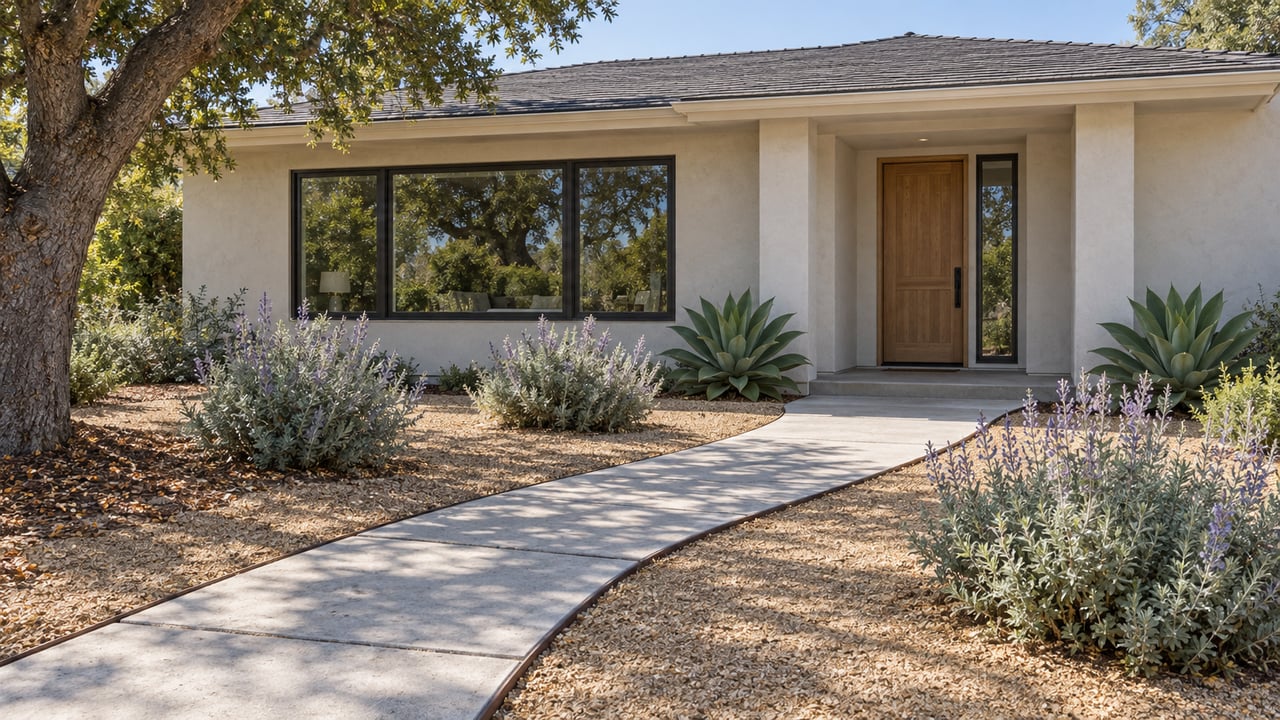
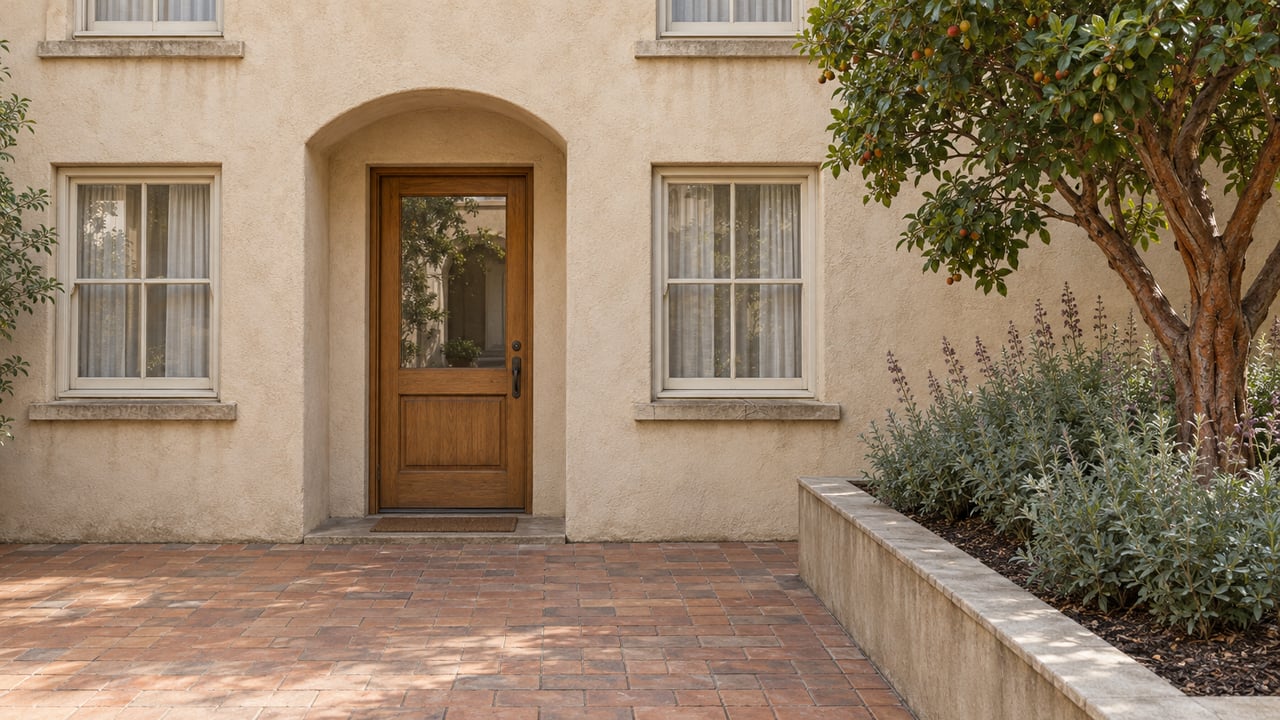
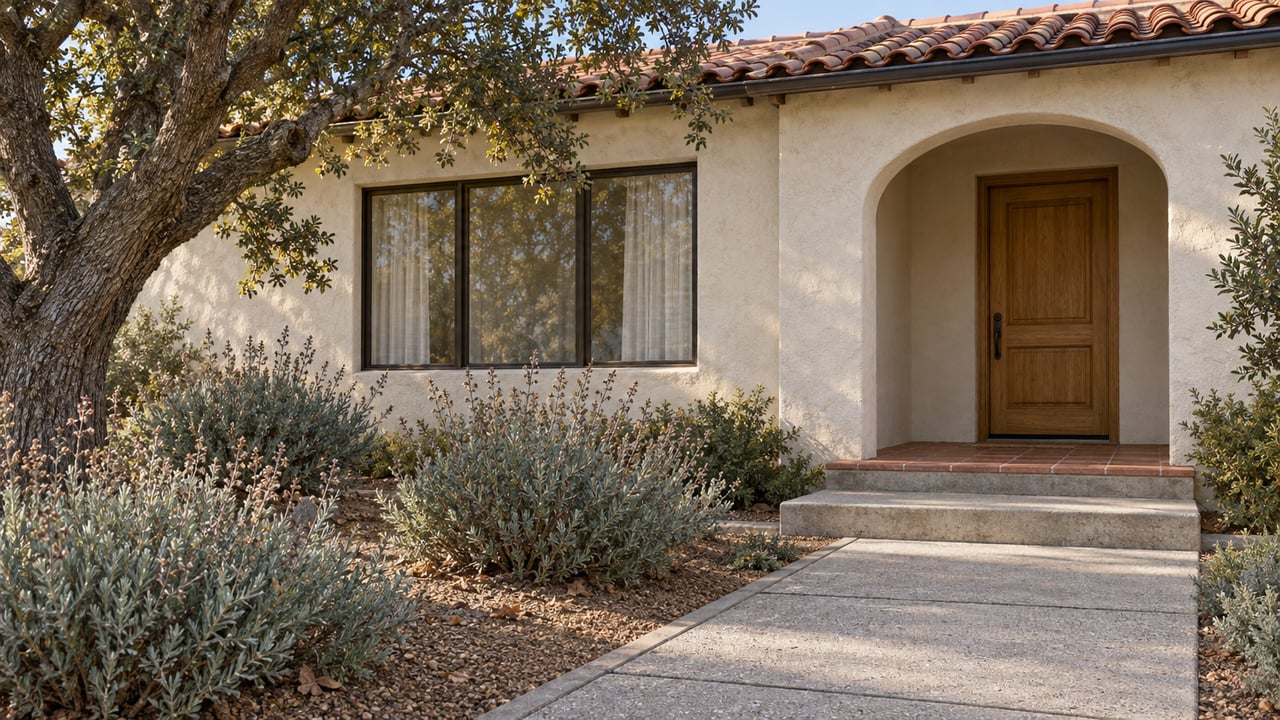
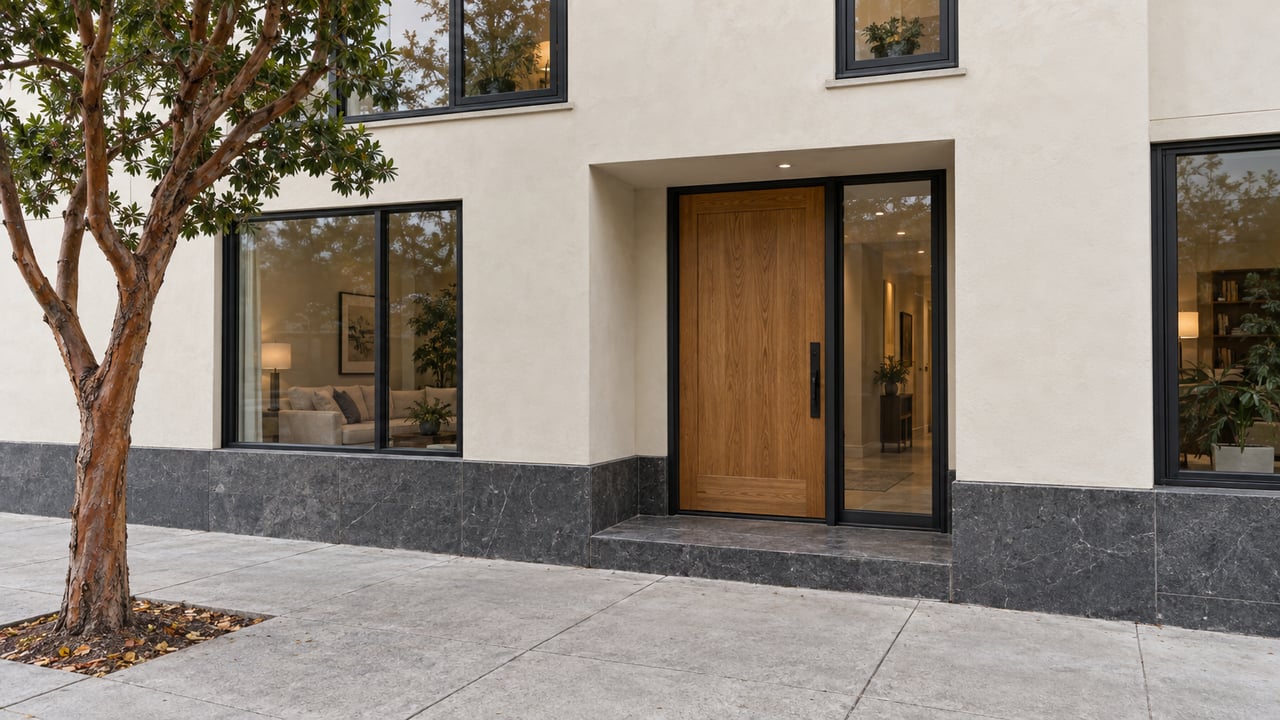
Pasadena is widely regarded by the city as a center of architecture in Southern California. Its built environment spans late 19th-century houses, Craftsman homes, California Bungalows, Mission Revival, Spanish Colonial Revival, Monterey Colonial, Art Deco, and Mid-century Modern properties. That variety gives the city a layered feel rather than a single look.
What makes Pasadena stand out is not just the number of notable homes and buildings. The city has protected historic resources since 1969, and many neighborhoods are already designated landmark or historic districts. In practical terms, that means architecture here is part of everyday identity, not just a backdrop.
Craftsman Character in Bungalow Heaven
Bungalow Heaven offers one of the clearest examples of Pasadena’s residential character. The city’s design guidelines describe it as one of the largest collections of California Craftsman bungalows in Pasadena, with modest one- and one-and-a-half-story homes, open front porches, detached garages, detached sidewalks, and street trees.
That combination creates a human-scaled streetscape that feels shaded and cohesive. If you are drawn to neighborhoods where the homes, sidewalks, and trees work together visually, this part of Pasadena helps explain why the city is so often associated with character housing.
Landmark Architecture Adds Civic Identity
The Gamble House is another major reference point. It is described by its conservancy as an internationally recognized Arts and Crafts masterpiece and one of the most complete and best-preserved works by Greene & Greene.
Landmarks like this do more than attract visitors. They reinforce the sense that design matters in Pasadena, from well-known architectural icons to everyday residential blocks.
Pasadena Neighborhood Rhythm Changes Quickly
One of the most useful things to know about Pasadena is that it does not move at just one speed. Instead, it functions as a cluster of compact districts, each with a distinct pace. That can matter a lot when you are deciding what kind of daily routine fits you best.
Some areas feel more urban and active into the evening. Others feel more civic, more professional, or more neighborhood-serving. The result is a city with meaningful variety, even across short distances.
Old Pasadena Feels Active and Layered
Old Pasadena is the city’s original business district. According to Visit Pasadena, it covers 22 blocks, includes more than 300 businesses, and is known for restored late 19th- and early 20th-century architecture, open-air retail, alleyways, and restaurant-lined streets.
For residents, that often translates into a downtown environment that still feels lively after work and on weekends. If you like the idea of being near storefronts, dining, and historic commercial buildings, Old Pasadena offers that mix in a concentrated format.
Playhouse Village Blends Culture and Commerce
Playhouse Village brings a different energy. The city says it spans 32 blocks, has 24,000 workers within a half mile, and places more than 45 restaurants, bars, and coffee shops near museums, bookstores, and movie theaters.
Visit Pasadena describes it as the crossroads of culture, commerce, and community. That makes it feel less like a standard shopping district and more like a place where daily errands, entertainment, and local gathering spots overlap.
South Lake, Civic Center, and North Lake
South Lake has a more daytime and professional feel. The city identifies it as the corporate center of Pasadena and notes its tree-lined setting and daytime population of over 56,000.
Civic Center shifts toward monumental public architecture, centered around City Hall, the Central Library, the Civic Auditorium, and the Convention Center. North Lake, by contrast, reads as more neighborhood-serving, with retail, dining, services, and transit access.
For you as a buyer or future seller, this block-by-block variety is one of Pasadena’s biggest strengths. It gives the city a durable sense of choice without losing its overall identity.
Cafes Are Part of Pasadena Living
Pasadena’s cafe scene adds another layer to daily life. Official tourism listings show a mix of historic storefront cafes, bookstore coffee counters, neighborhood spots, and newer specialty coffee bars. That mix supports more than quick stops on the way to work.
In many parts of Pasadena, cafes function as informal third places. They are spots where people read, work, meet a friend, or reset in the middle of the day.
Coffee Spots With Different Moods
Visit Pasadena lists Copa Vida in Old Pasadena as an artisanal cafe in a historic brick building. It also notes Stumptown Pasadena, which opened on Lincoln Avenue in February 2024, and Tepito Coffee inside Vroman’s Bookstore.
Those examples say a lot about the city’s personality. Pasadena coffee culture is tied to architecture, books, local business districts, and walkable routines rather than just convenience.
A Scene Built for Lingering
Other official listings reinforce that pattern. Ideology Coffee offers pastries and light snacks with a work-friendly interior, Bevel Coffee emphasizes specialty coffee, Klatch Coffee is an award-winning local roaster, OH LA LA combines specialty coffee with pastries and wine, and La Chula Café / Pasadena Roots adds a neighborhood option with a distinct local identity.
Taken together, these cafes help shape the everyday texture of the city. If you value places that support lingering, working, reading, or casual conversation, Pasadena delivers that in multiple districts.
Culture and Outdoor Life Stay Close
Pasadena offers a notable mix of cultural institutions and outdoor access for a city of its size. That matters because it broadens what a normal week can look like. Your routine does not have to be limited to home, work, and errands.
Instead, museums, theater, trails, and major event venues are woven into the city’s fabric. That gives Pasadena a rhythm that can feel calm on one day and highly active the next.
Museums and Performance Spaces
The Norton Simon Museum is a major art museum with a distinguished collection. The Huntington adds world-renowned collections and botanical gardens, while the Gamble House contributes a nationally recognized architectural destination.
Playhouse Village also includes the Pasadena Playhouse, Ice House Comedy Club, galleries, and museums. This concentration of cultural spaces helps explain why Pasadena often feels more layered than a typical suburban market.
Trails, Parkland, and Big Events
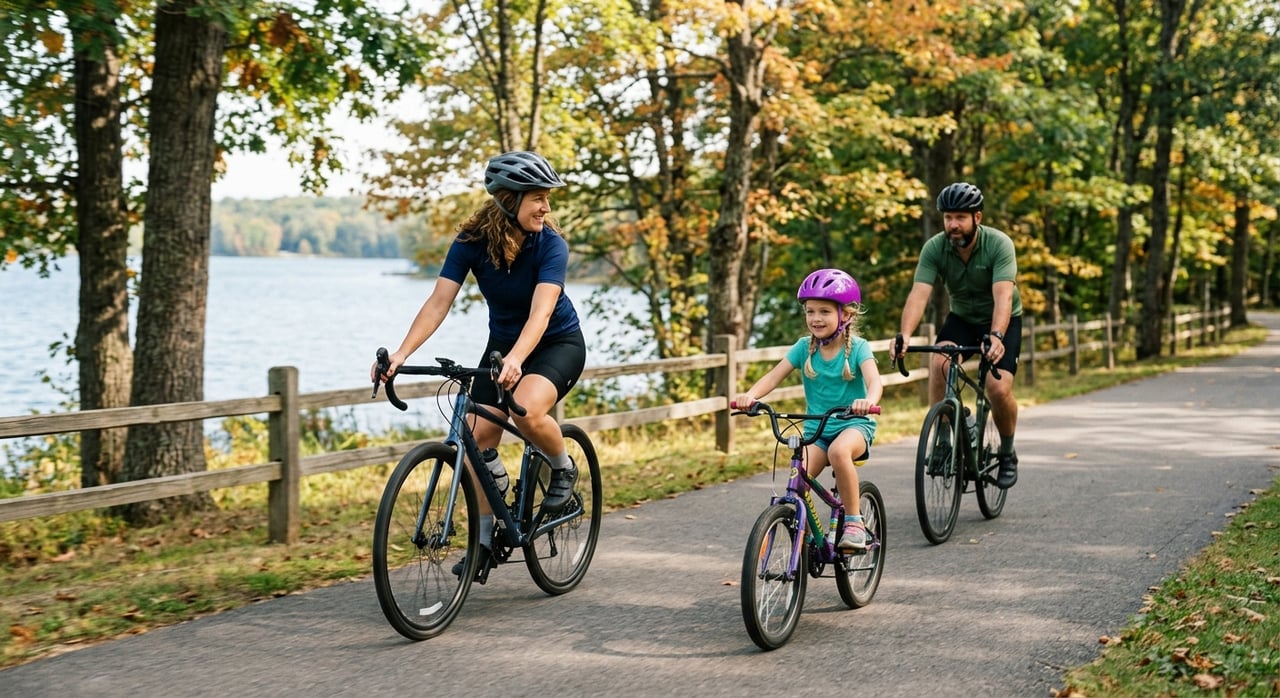
Outdoor life is just as central. The Arroyo Seco includes 900 acres of city-protected parkland and open space with 22 miles of trails that are open sunrise to sunset, year-round.
For larger events, the Rose Bowl Stadium adds another dimension. Built in 1922 and designated a National Historic Landmark, it is used for the Rose Bowl Game, UCLA football, concerts, and the Rose Bowl Flea Market.
That combination supports a wide range of routines. A quieter weekday can turn into a weekend shaped by a trail walk, museum visit, cafe stop, or large-scale public event.
Why Pasadena Feels Like a Long-Term Place
Pasadena’s appeal is not just visual. The city’s 2024 Annual Report lists 139,692 residents, a median household income of $97,818, an average household size of 2.37, total assessed property valuation of $41.39 billion, and an average temperature of 67.8°F for the report year. It also places Pasadena about 15 miles north of downtown Los Angeles within 23 square miles.
Those figures point to an established city with meaningful civic and economic infrastructure. Combined with preserved historic neighborhoods, multiple walkable districts, Metro A Line service, cultural institutions, and year-round outdoor access, Pasadena reads as a place with lasting identity.
For buyers, sellers, and long-range planners, that matters. A city tends to hold attention over time when its appeal is supported by more than surface charm, and Pasadena’s everyday infrastructure helps explain its durable draw.
If you are thinking about buying, selling, downsizing, or planning your next move in Pasadena, it helps to look past listings and understand how the city actually lives day to day. For thoughtful guidance grounded in both lifestyle fit and long-term planning, connect with Marcellina Desousa.
FAQs
What kinds of architecture define Pasadena living?
- Pasadena includes a wide range of architectural styles, including late 19th-century houses, Craftsman, California Bungalow, Mission Revival, Spanish Colonial Revival, Monterey Colonial, Art Deco, and Mid-century Modern homes.
What part of Pasadena feels most historic and walkable?
- Old Pasadena is known for restored historic architecture, open-air retail, alleyways, and restaurant-lined streets across 22 blocks, while historic residential character is especially visible in areas like Bungalow Heaven.
What is the everyday cafe culture like in Pasadena?
- Pasadena’s cafe scene includes historic storefronts, bookstore coffee counters, neighborhood spots, and specialty coffee bars that support reading, working, meeting, and lingering.
What makes Pasadena neighborhoods feel different from each other?
- Districts like Old Pasadena, Playhouse Village, South Lake, Civic Center, and North Lake each have a distinct pace, ranging from active and mixed-use to professional, civic, or neighborhood-serving.
What outdoor and cultural activities are part of Pasadena life?
- Pasadena offers museums, theaters, comedy venues, botanical gardens, the Arroyo Seco’s 22 miles of trails across 900 acres, and major events at the Rose Bowl Stadium.